|

The Truth About Paraffin Wax
May 05, 2026
-
10 min read
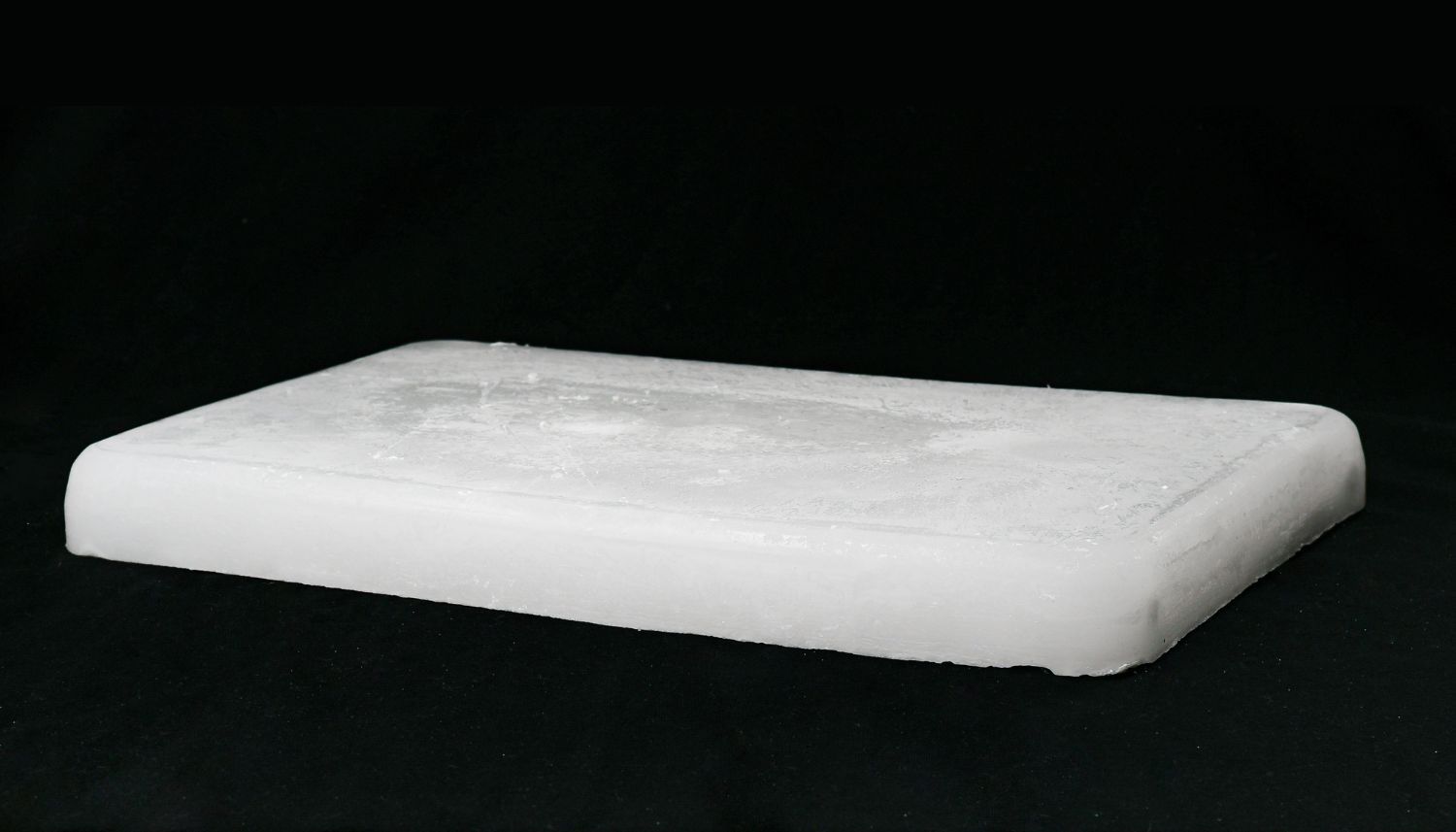
Is paraffin wax toxic? Are paraffin candles bad for my health or the environment? What even is paraffin wax?
You’ve likely heard the controversy. Some people say that paraffin wax is unsafe and that other waxes are better. Claims that paraffin candles produce excess soot and give off harsh and harmful chemicals are circulating among candle makers and consumers. Could this really be true? Are paraffin candles harming you and the world we live in? Today, we are going to explore the facts and scientific research about paraffin wax and its use in candles to get some clear answers about this discussion.
What is paraffin wax?
Paraffin wax is a byproduct of the petroleum/crude oil industry. As oil is processed from its original state it gets purified so that it can be ready to use for fuel, lubricants, and its other uses. During this processing various residues are extracted from the petroleum, and one of those materials is paraffin. This paraffin is dirty and unrefined, and the uncleaned material is not what your candles are made of.
The wax that is used for candle making goes through several steps of processing to clean it of impurities. During this cleaning period, oil, colorants, and aromas are removed from the wax leaving us with a material that contains less than 0.5% oil and is vastly different from its crude oil source. This careful and thorough purification creates a fully-refined, chemically stable, colorless, odorless, and non-toxic material that even the FDA says is safe for food preservation methods. So why do some people still say that paraffin is unsafe?
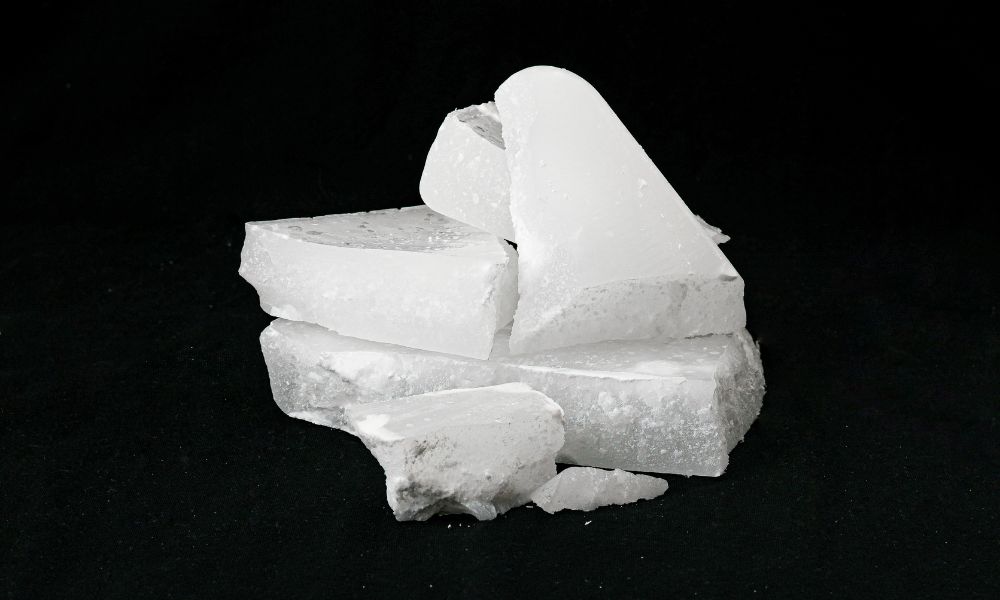
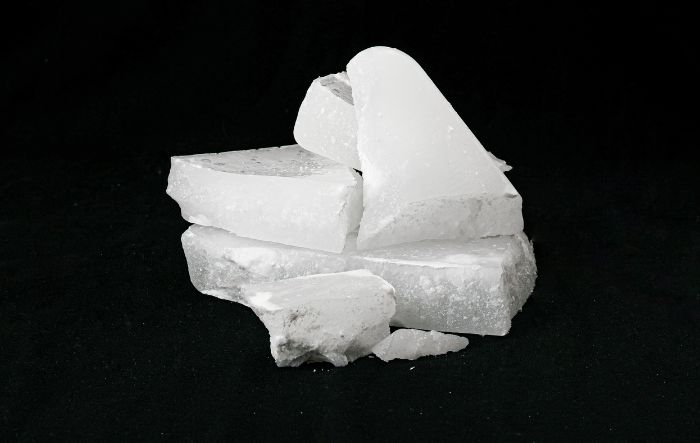
The stigma exists because of less refined paraffin waxes which are not yet fully cleaned. These are referred to as slack wax and scale wax, but they are not the materials that candle makers use. Reputable candle manufacturers use fully-refined paraffin that is non-toxic and safe to use in your home, around your children, and even around your pets.
Despite the wax itself being safe to use, many people are discomforted with its source and have concerns about the environmental impacts of paraffin wax. Let’s address those issues.
What are the environmental repercussions of paraffin candles?
The oil industry has a troubled reputation which impacts the way people view paraffin wax and its products. Some people have chosen to boycott anything that is connected to the collection and production of oil related products. We do not seek to pressure the use of paraffin or other petroleum byproducts on anyone who may have concerns or be uncomfortable with them.
Yet, we would like to acknowledge the fact that as a byproduct, paraffin wax is not the objective of the petroleum industry. Oil drilling is going to continue regardless of the uses for paraffin wax, and this byproduct would be discarded if there was no one to make use of it. Therefore, finding a purpose for a material that would otherwise be thrown away is a step in the right direction for sustainability causes. Using up as many of the crude oil industry's byproducts for better purposes prevents unnecessary waste and creates something beautiful.
Though we understand the controversy surrounding the oil industry and the byproducts that come from it, we want to convey that the source and its reputation need not contaminate the efforts to reduce its impact.
Since we know that paraffin is non-toxic and its uses are a win for sustainability efforts, we need to understand how it compares to its alternatives. Is paraffin wax better or safer than its counterparts?
How do paraffin candles compare to other materials like soy?
The debate about paraffin candles does not end at its safety for human health or the world. Both consumers and manufacturers alike make comparisons between paraffin and other waxes such as soy, beeswax, stearin, or palm wax. Determining which wax creates the most successful candle is something that makers and buyers can both benefit from, which is why the discussion is ongoing.
How do paraffin candles compare in safety to other waxes?
Some people who greatly oppose paraffin waxes promote the idea that candles made with paraffin release dangerous chemicals into the air through the release of soot or even as the candle burns normally. However, these claims have been proven to have no merit. In 2007, an internationally funded scientific study compared the 5 most common waxes used in candles to ascertain the safety of each. This experiment, known as the “Ökometric Wax and Emissions Study,” tested candles made of each material to analyze any gases or chemical compounds that were released. After comparing each candle type, the lab noticed that all of them had similar emission rates in both the amount of materials released and in the materials themselves. This meant there were and are no significant differences in how the wax types burn normally.
The second thing the German lab wanted to look at was the effect that increased soot had on the emissions. To test this, they used soy wax and paraffin wax candles made with wicks that were much larger. Doing so forced the two candle types to produce extra soot. During this second test, the scientists found that the excess soot of both candles did emit increased amounts of particulates than the normally wicked candles which they expected. However, even the over-wicked soy and paraffin candles did not produce more than the acceptable amount of materials according to the strictest air-quality rules.


What does all that mean for you?
The extensive study into the various waxes and candle behaviors showed that no matter what wax is used in a candle, they all will have some emissions. Yet, none of these materials released from your candles will cause you any harm as all of the lab’s measurements showed emission numbers well below the minimum levels that groups like the World Health Organization have set for air-quality. As the lab’s report states on page 4, “In addition to demonstrating that the combustion byproducts of all major candle waxes are virtually identical in composition and quantity, the study reconfirms the lack of health or air-quality concerns with candles.” Therefore, regardless of the type of candles you enjoy, you can rest assured that your health will not be compromised. You can find the full summary of the lab’s report online.
Now that we have looked at how the candles compare in safety standards, let’s look at the behavior of the different candles to decide which wax type gives the best results.
Are paraffin candles better than candles made from soy?
Deciding if one candle is better than another, we first have to determine what we mean by “better.” In this discussion, we will classify the success of one candle over another by its appearance, burn time, and scent throw. Additionally, we are only going to look at the differences between paraffin and soy based candles since they are arguably the most prominent materials used in candle manufacturing.
Aesthetic Appearance
We want to take a moment to look at a candle’s appearance. While purely cosmetic and of no real significance to the burning behavior of the candle itself, it is still something that many people look for in their candles, especially unscented candles used for events. Let’s look at soy first.
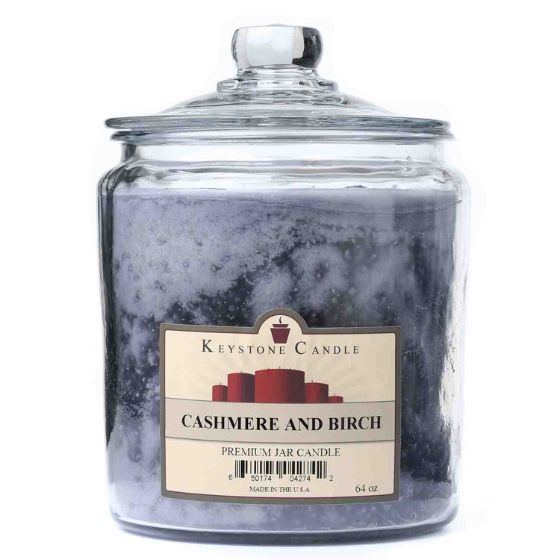
Soy wax is a naturally soft wax that cannot hold its shape by itself. Therefore, pure soy candles will always be in a container such as a jar. To use soy wax for freestanding candles like pillar candles, something stronger will need to be added to the wax to give it structure. Additionally, soy wax has a more opaque natural appearance meaning it requires more dyes to achieve rich vibrant colors in soy candles. Therefore, many soy candles are lighter in color or just have their natural white/off-white color. Furthermore, soy wax frequently experiences frosting meaning it gets a whitish haze on the tops or sides, and the wax is prone to cracking and creating rough tops. Though some of these things may not affect the burning capabilities of soy candles, they can be a turn off-for some candle enthusiasts. If these aesthetic imperfections are of no consequence to you, then you’ll have no qualms with a soy candle’s appearance.
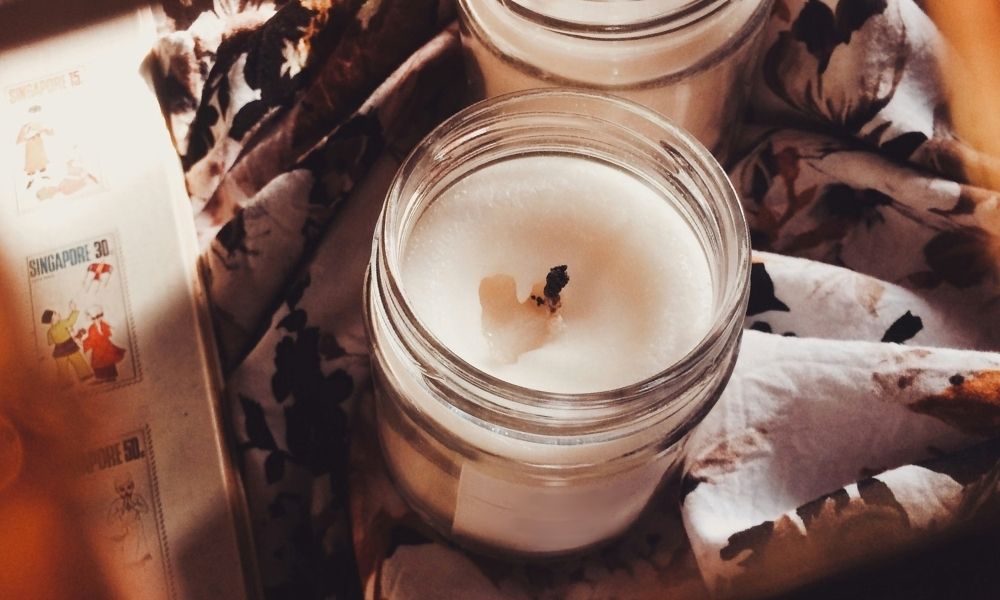
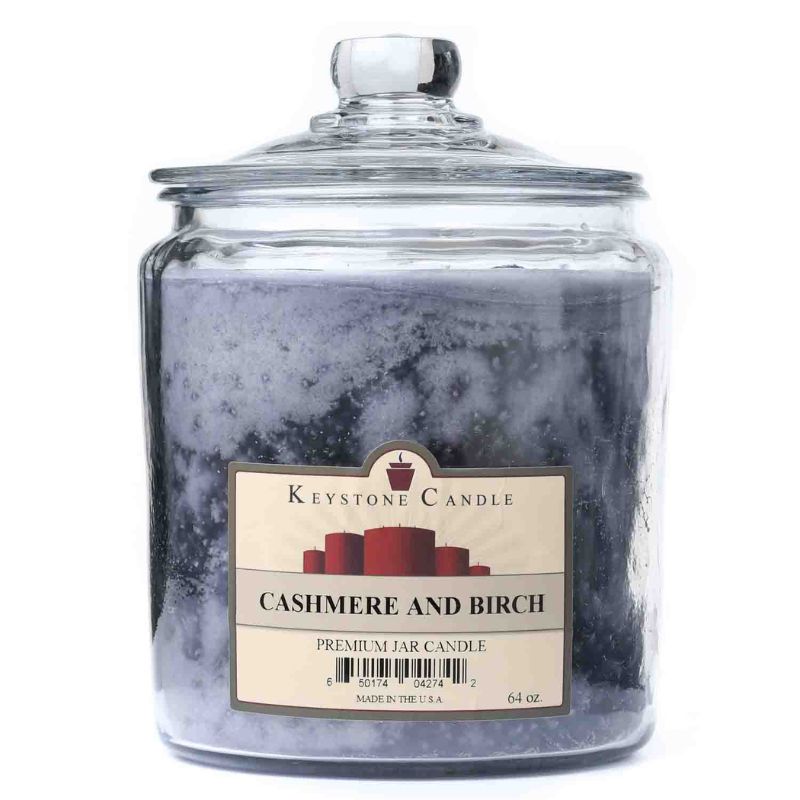
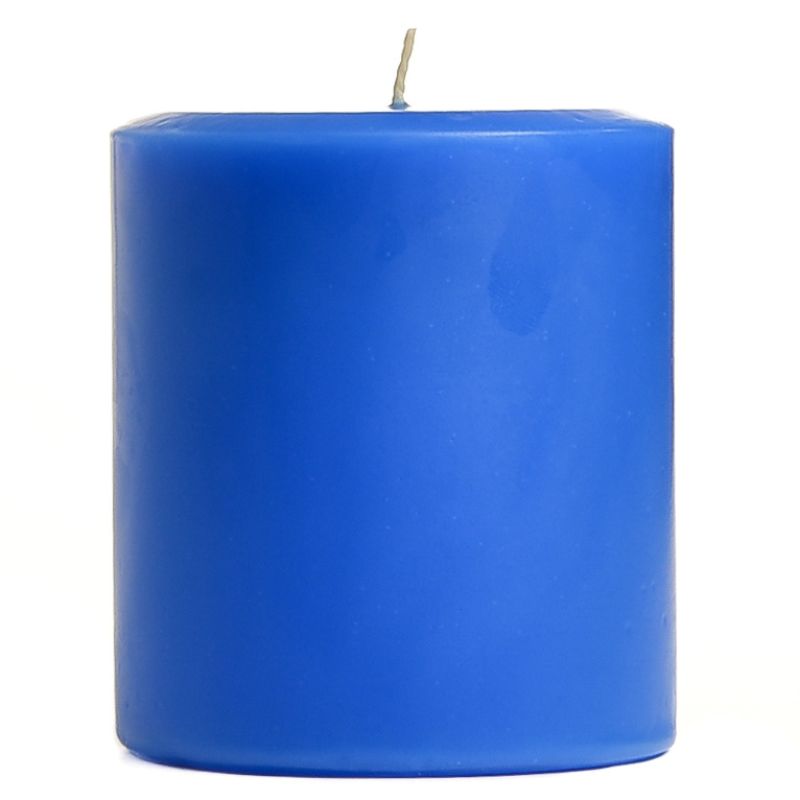
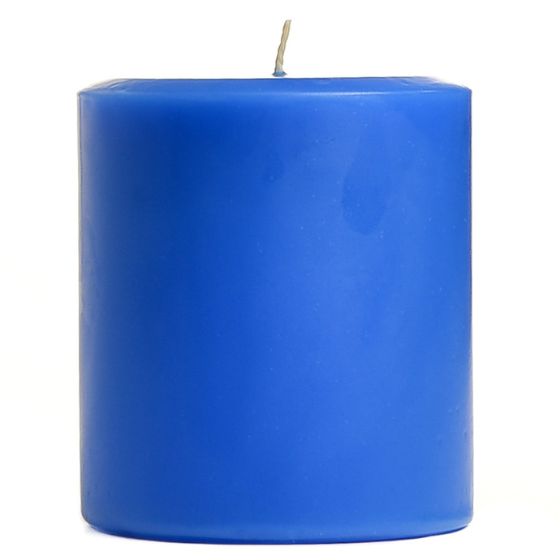
Paraffin wax, in contrast, has an incredibly strong internal structure meaning it can be molded into any imaginable form and hold that shape. This is why you can easily find freestanding paraffin pillar candles, tapers, wax melts, etc in addition to traditional jar candles. Not only does it have the ability to stand on its own, but it also has higher color retention. This means that it requires less dye to achieve deep and bold colors. While soy wax has unpredictable frosting tendencies, paraffin candles can also have finishes that are not perfectly solid. However, this appearance is known as mottling and can be “fixed” with additives. At Keystone Candle, we allow our jar candles to mottle giving them a unique country look, but we put in some extra polymers to our pillar and scented votive candles to make the wax appear smoother. As with soy wax, these appearance differences do not affect the way that a candle burns and are purely decorative in nature.
Burn Time
One of the most crucial parts of a candle’s life is the length of time that you get to enjoy it and the fragrance that it gives off. Comparing the burn time of soy and paraffin waxes will give us a better idea of the lifespan of candles made with those materials.
Soy wax generally burns at a slower rate than paraffin. Though soy requires less heat to melt, the wax is thicker meaning it does not get used up as quickly. While this is great for the longevity of your candle, it also means that your candle will hold in its scent longer because it takes more time for the melt pool to widen and release the fragrance. Therefore, you will have to wait longer to get the maximum hot throw possible with your soy candle.
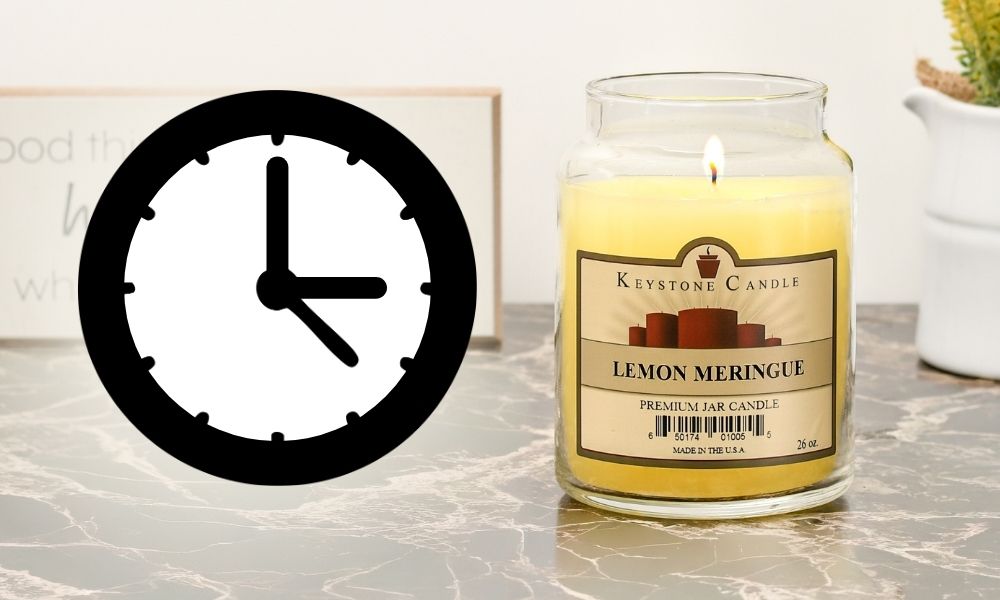
Paraffin wax has a higher melt point meaning it requires a greater temperature to actually melt the wax, but it does get used up at a steady rate in candle form. This is great for getting a quick scent release because the faster your candle’s melt pool widens, the sooner you will start to smell great fragrance. However, if the thought of losing your favorite fragrance too quickly is alarming, you can help it have the longest life possible. The best way to extend the length of your paraffin candle’s burn time is to keep the wick trimmed to the recommended ¼ inch. This will keep the flame smaller and create less heat causing it to melt slower.
Scent Throw
The fulfillment of a scented candle’s entire purpose is measured in its ability to give off a pleasing scent throw. Whether that scent fills a large room or a small space is determined in part by the wax used to make the candle. Though, as we have looked at in our blog, “Does the Size of the Candle Impact Scent Throw,” a candle’s scent dispersion is more about the diameter of the candle than the actual materials. However, the wax does play a crucial role in the hot throw of a candle.
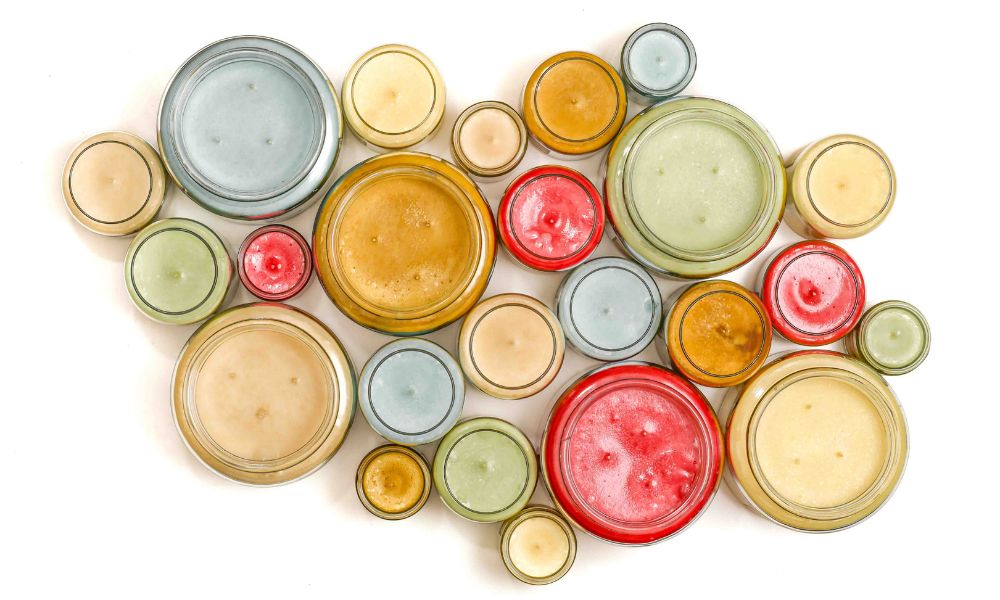
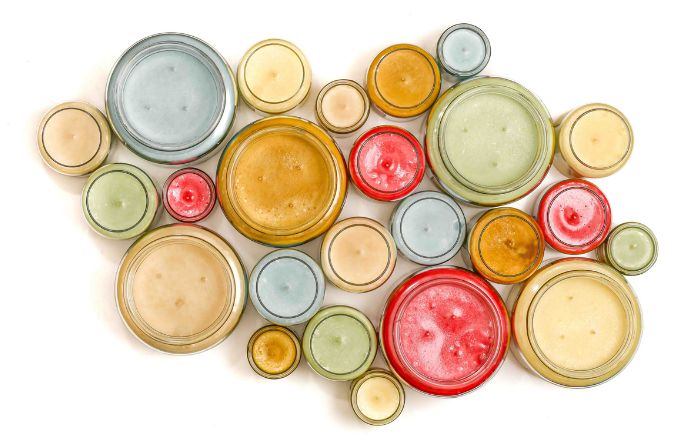
Soy wax is a dense wax which creates a stronghold on the fragrance used in the candle. This results in a poor scent throw and usually means that a soy candle will only release its fragrance in the immediate vicinity of the candle. While it is possible to increase the amount of scent released, it can only be done by adding more fragrance oil to the candle. Including more materials not only raises the cost, but putting more scent into a candle affects how it burns and the type of wick that can be used. Therefore, increasing the amount of fragrance oil is often not done. Thus soy candles are known for yielding an incredibly subtle/almost non-existent aroma.
Paraffin wax always wins when comparing scent throw strength. Due to the molecular structure, it is able to hold more fragrance naturally and it is much more efficient in dispersing that scent when heated. The intense release of fragrance means you will be able to smell your candle from across the room. Additionally, paraffin candles require less fragrance oil to achieve a strong scent throw meaning manufacturers like Keystone Candle can keep costs lower.
So…is paraffin better than soy?
To summarize the categories above, we compared appearance, burn-time, and scent throw.
- In appearance, paraffin candles are much more consistent, and can be made in various shapes besides a jar candle.
- In burn time, soy candles naturally have a long life, but paraffin candles can be made to last longer with the right maintenance and wick.
- In scent throw, paraffin candles will always have the stronger and farther reaching fragrance release.
Based on the analysis of these 3 components, and your personal preference in your candle experience, that decision falls to you.
The Truth About Paraffin Wax
Despite being the prominent material used in candle making for over 100 years, paraffin wax has come under intense scrutiny in recent years. However, as we have discussed, many claims about the safety of the wax are actually unfounded. Due to the thorough purification process that paraffin goes through as a petroleum byproduct, the final product is a highly refined, non-toxic, and clean material that is perfectly safe to use in candles. Using paraffin wax in candles gives purpose to a material that would otherwise be thrown away which is a positive outcome for sustainability efforts. Additionally, according to a 2007 experiment in Germany comparing 5 different waxes including paraffin and soy, there are virtually no differences between the cleanliness of one wax over another. Furthermore, when comparing the burning behavior of paraffin and soy candles, the appearance, burn-time, and scent throw indicate a stronger performance from paraffin candles. Ultimately, determining which candle is better is decided by your personal preference, but regardless of the wax you choose, rest assured that your candles are safe for you and your loved ones.

Share on Facebook

Share on X

Share on Pinterest

Share on LinkedIn
Related Products
0 Comment(s)
Recent Posts
-
How To Use Outdoor Candles
 June 9, 2026
 -
The Truth About Paraffin Wax
May 5, 2026
-
Top 15 Candle Scents According to Keystone Candle Customers
 April 21, 2026
 -
Best Ways to Use Candles for Spring Cleaning
 March 24, 2026
 -
How Long Should I Burn a Candle?
 March 3, 2026